Las nuevas variedades vegetales desempeñan un papel fundamental a la hora de ayudar a los agricultores y productores a mejorar la productividad, la calidad, la resiliencia y la rentabilidad.
Gracias al acceso a variedades mejoradas, los agricultores pueden cultivar plantas más resistentes a las plagas, las enfermedades y los efectos del cambio climático, al tiempo que obtienen mejores rendimientos y una mayor calidad. Estas innovaciones permiten a los agricultores reducir los riesgos de producción, disminuir los costes de los insumos y satisfacer la demanda del mercado de productos diversos y de alta calidad, lo que, en última instancia, contribuye a una agricultura más sostenible y rentable.

IMAGE: LOREM IPSUM
El color bajo el microscopio: la revista «TWO 58» analiza nuevas herramientas para el análisis de variedades ornamentales
"Para obtener beneficios en este negocio, hay que vender cerezas de primera calidad. Deben ser grandes, firmes, jugosas y dulces, y las cerezas procedentes de Summerland cumplen esos requisitos, por lo que puede salir al mercado. Puede obtener un precio superior. Sus clientes están satisfechos. Los consumidores están satisfechos. A los consumidores les encanta comerlas. Es una situación en la que todos salen ganando."
David Machial, productor de cerezas en Oliver (Columbia Británica) y gerente de Fairview Orchards
"To make money in this business, you have to sell a premium cherry. It has to be big, firm, juicy and sweet, and the cherries that have com out of Summerland meet those requirements, so you can go into the marketplace. You can get premium price. Your customers are happy. Consumers are happy. Consumers love to eat them. It's just a win-win-win."
David Mahial, Cherry Grower in Oliver, British Columbia, Manager, Fairview Orchards
Preguntas frecuentes
Las obtenciones vegetales con características como mejor productividad, resistencia a las plagas y enfermedades, tolerancia a la sal y a la sequía o mayor adaptación a las condiciones climáticas constituyen un elemento clave en el incremento de la productividad y de la calidad del producto en los ámbitos de la agricultura, la horticultura y silvicultura que minimiza, al mismo tiempo, la incidencia en el medio ambiente. Debido a la aparición constante de nuevas plagas y enfermedades y a los cambios de las condiciones climáticas y de las necesidades de los usuarios, los agricultores y los productores demandan continuamente nuevas variedades vegetales y los obtentores las desarrollan.
Los enormes progresos de la productividad agrícola en varias partes del mundo se deben en gran medida a la mejora de las variedades vegetales, junto con la mejora de las prácticas agrícolas, y la futura seguridad alimentaria depende de ellas.
Los agricultores no necesitan la autorización del obtentor para vender el producto de la cosecha de una variedad protegida si han sembrado el cultivo usando semilla facilitada con la autorización del obtentor o si han sembrado semilla del cultivo cosechado dentro de las excepciones al derecho de obtentor contempladas en la legislación del país en cuestión (véanse las ENotas explicativas sobre las excepciones al derecho de obtentor con arreglo al Acta de 1991 del Convenio de la UPOV).
Ninguna persona podrá vender semilla de una variedad protegida sin la autorización del obtentor.
En virtud del Acta de 1978 del Convenio de la UPOV (véase el Artículo 5), el derecho concedido al obtentor tendrá como efecto someter a su autorización previa “la puesta a la venta” y “la comercialización” del material de reproducción o de multiplicación vegetativa, en su calidad de tal, de la variedad.
En virtud del 1991 Act of the UPOV Convention (see Article 14(1)) the “offering for sale” and “selling or other marketing” of the propagating material of the protected variety requires the authorization of the breeder.

Las nuevas variedades vegetales protegidas impulsan el desarrollo industrial en el noroeste de China
Las nuevas variedades vegetales protegidas impulsan el desarrollo industrial en el noroeste de China
Historias
Image: WeimingDong/GettyImages
Image: Courtesy of Roland Joannin
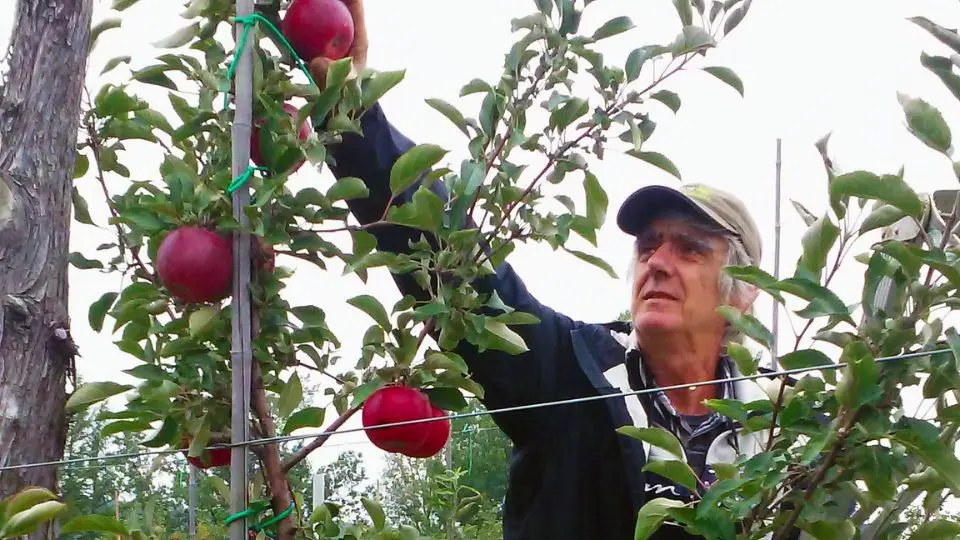
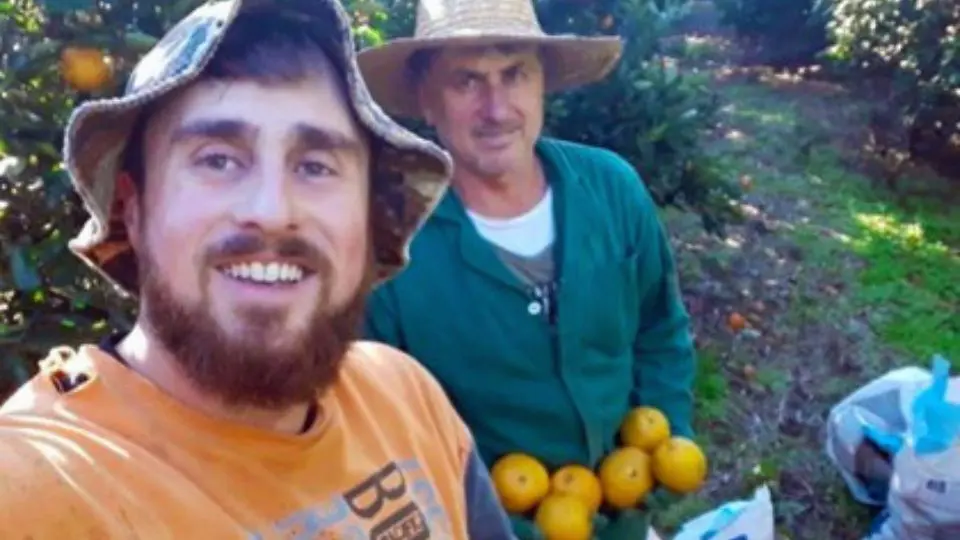
Image: Courtesy of Stig Oddershede

Últimas noticias


Vídeos

Una nueva variedad, un nuevo comienzo: la historia de Fanny desde el campo dominicano
Fanny creció en el campo dominicano, entre cosechas de plátanos y hileras de plátanos de cocina. Cuando el cultivo de la uva de mesa llegó a su comunidad, se abrió la puerta a mayores ingresos, nuevos conocimientos y un orgullo que nunca había imaginado: una prueba de que el acceso a una sola variedad vegetal protegida puede, sin hacer ruido, cambiarlo todo para una comunidad agrícola.

La historia de Reino: la agricultura a pequeña escala y la transición al cultivo de uva de mesa en la República Dominicana
Tras 18 años dedicados a la agricultura, el agricultor dominicano Reino decidió pasar del cultivo del plátano al de la uva de mesa, un cambio que exigió nuevas habilidades, nuevos conocimientos y acceso a variedades vegetales mejoradas. Su historia muestra cómo la protección de las variedades vegetales permite no solo la innovación, sino también la inclusión, la resiliencia y la transformación gradual de las comunidades agrícolas a pequeña escala.

Diversificación de la agricultura dominicana mediante la protección de las variedades vegetales y nuevas variedades de uva de mesa
La República Dominicana no era tradicionalmente un país vitivinícola, pero el acceso a variedades protegidas a raíz del sistema de la UPOV cambió esta situación. Descubre cómo la mejora genética, la diversificación agrícola y la protección de las variedades vegetales se combinaron para abrir las puertas a un cultivo totalmente nuevo, nuevos mercados y nuevas oportunidades económicas para los agricultores dominicanos.

Historia de éxito familiar en el sector de la uva de mesa en la República Dominicana
Lo que comenzó en la mesa de una familia en la República Dominicana se convirtió en la primera exportación de uva de mesa del país a Estados Unidos. Impulsada por la visión de la familia Almonte, nuevas variedades de uva protegidas y adaptadas a las condiciones locales, y un compromiso compartido con la innovación, esta es la historia de cómo la ambición agrícola crea mercados, medios de vida y un cambio duradero.