New plant varieties play a vital role in helping farmers and growers improve productivity, quality, resilience, and profitability.
With access to improved varieties, farmers can grow crops that are more resistant to pests, diseases, and the effects of climate change, while also achieving better yields and quality. These innovations enable farmers to reduce production risks, lower input costs, and meet market demands for diverse and high-quality products, ultimately contributing to more sustainable and profitable farming.

IMAGE: LOREM IPSUM
Color Under the Microscope: TWO 58 Discusses New Tools for Ornamental Variety Testing
"To make money in this business, you have to sell a premium cherry. It has to be big, firm, juicy and sweet, and the cherries that have com out of Summerland meet those requirements, so you can go into the marketplace. You can get premium price. Your customers are happy. Consumers are happy. Consumers love to eat them. It's just a win-win-win."
David Machial, Cherry Grower in Oliver, British Columbia, Manager, Fairview Orchards
"To make money in this business, you have to sell a premium cherry. It has to be big, firm, juicy and sweet, and the cherries that have com out of Summerland meet those requirements, so you can go into the marketplace. You can get premium price. Your customers are happy. Consumers are happy. Consumers love to eat them. It's just a win-win-win."
David Mahial, Cherry Grower in Oliver, British Columbia, Manager, Fairview Orchards
Frequently asked questions
New varieties of plants with features such as improved yield, resistance to plant pests and diseases, salt and drought tolerance, or better adaptation to climatic stress are a key element in increasing productivity and product quality in agriculture, horticulture and forestry, whilst minimizing the pressure on the natural environment. Due to the continuous evolution of new pests and diseases as well as changes in climatic conditions and users’ needs, there is a continuous demand by farmers/growers of new plant varieties and development by breeders of such new plant varieties.
The tremendous progress in agricultural productivity in various parts of the world is largely based on improved varieties, together with improved farming practices, and future food security depend on them.
Farmers do not need the breeder’s authorization to sell harvested crop of a protected variety if they have planted the crop using seed that was provided with the breeder’s authorization, or if they have planted seed from the harvested crop within the exceptions to the plant breeders’ rights provided in the legislation of the country concerned (Refer to Explanatory Notes on Exceptions to the Breeder’s Right under the 1991 Act of the UPOV Convention
).
The authorization of the breeder is required for the selling of seed of a protected variety by any person.
Under the 1978 Act of the UPOV Convention (see Article 5), the prior authorization of the breeder is required for “the offering for sale” and “the marketing” of the reproductive or vegetative propagating material, as such, of the variety.
Under the 1991 Act of the UPOV Convention (see Article 14(1)) the “offering for sale” and “selling or other marketing” of the propagating material of the protected variety requires the authorization of the breeder.

Protected New Plant Varieties Drive Industrial Development in Northwest China
Protected New Plant Varieties Drive Industrial Development in Northwest China
Stories
Image: WeimingDong/GettyImages
Image: Courtesy of Roland Joannin
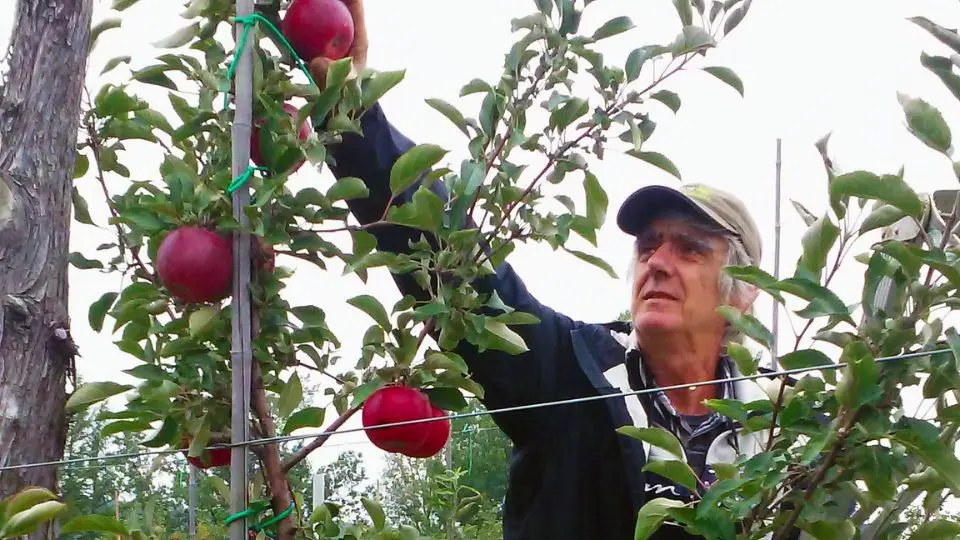
Image: Courtesy of Ede Balbinotti
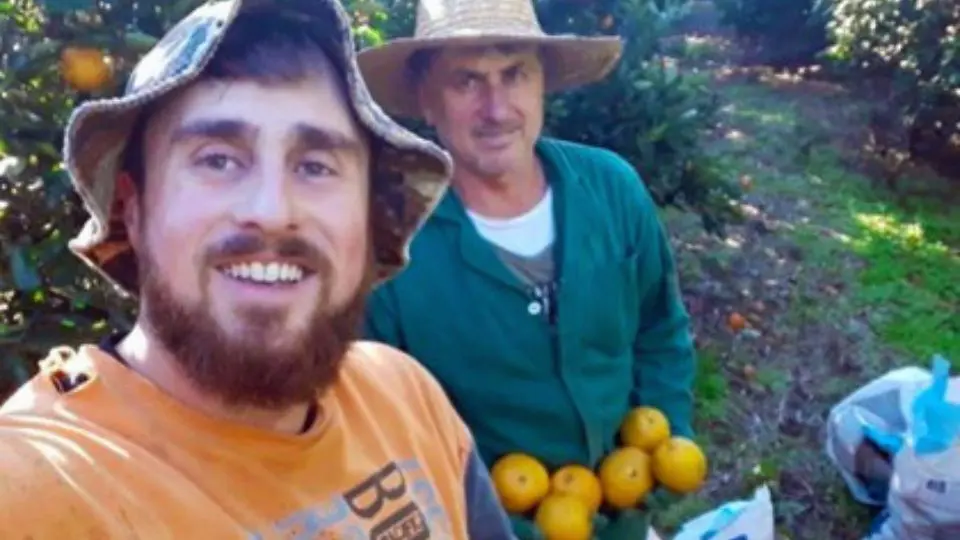
Image: Courtesy of Stig Oddershede

Latest news




Videos

One New Variety, One New Beginning: Fanny's Story From the Dominican Countryside
Fanny grew up in the Dominican countryside among banana harvests and plantain rows. When table grape cultivation arrived in her community, it opened the door to higher income, new expertise, and a pride she had never expected — proof that access to a single protected plant variety can quietly change everything for a farming community.

Reino's Story: Small-Scale Farming and the Transition to Table Grapes in the Dominican Republic
After 18 years in agriculture, Dominican farmer Reino chose to transition from banana farming to table grapes — a shift that demanded new skills, new knowledge, and access to improved plant varieties. His story shows how plant variety protection enables not just innovation, but inclusion, resilience, and gradual transformation for small-scale farming communities.

Diversifying Dominican Agriculture Through Plant Variety Protection and New Table Grape Varieties
The Dominican Republic was not traditionally a grape-growing nation — but access to protected varieties through the UPOV system changed that. Discover how improved genetics, agricultural diversification, and plant variety protection combined to unlock an entirely new crop, new markets, and new economic opportunity for Dominican growers.

Dominican Republic Table Grape Family Success Story
What began at a family table in the Dominican Republic became the country's first table grape export to the United States. Driven by the Almonte family's vision, new protected grape varieties adapted to local conditions, and a shared commitment to innovation, this is the story of how agricultural ambition creates markets, livelihoods, and lasting change.