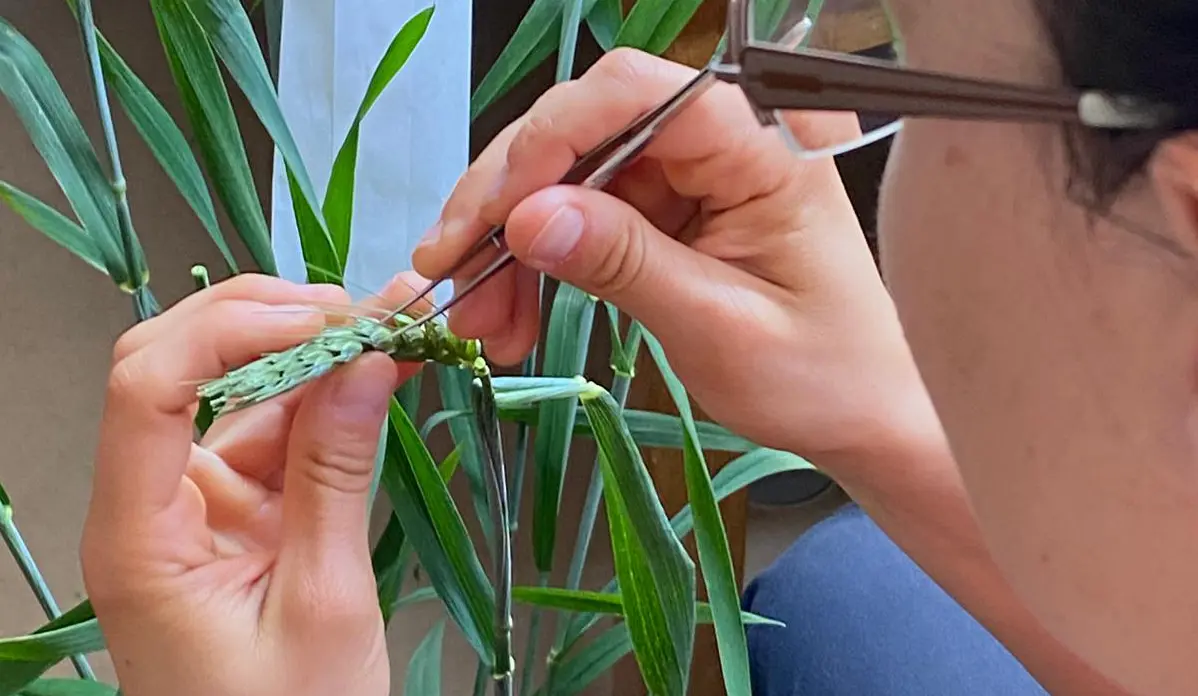
Examen de la distinción, la homogeneidad y la estabilidad
La protección de una variedad vegetal solo puede concederse a una nueva variedad vegetal tras confirmar que esta:
- es distinta (D) de cualquier otra variedad cuya existencia sea de dominio público, en cualquier país, en el momento de la presentación de la solicitud
- es suficientemente homogénea (U) y estable (S), o «DUS», en su forma abreviada.
La autoridad encargada de conceder los derechos de obtentor es responsable del examen, o «prueba DHE». Este examen se basa principalmente en ensayos de cultivo, llevados a cabo por la autoridad o por instituciones independientes, como institutos públicos de investigación, que actúan en nombre de dicha autoridad o, en algunos casos, sobre la base de ensayos de cultivo realizados por el solicitante bajo la supervisión de la autoridad.
Orientaciones de la UPOV sobre el examen DHE:
- establecen los principios y normas internacionales para garantizar que el examen DHE se lleve a cabo de manera armonizada en todos los miembros de la UPOV
- sientan las bases para facilitar la cooperación entre los miembros de la UPOV
- contribuyen a proporcionar una protección eficaz mediante la elaboración de descripciones armonizadas y reconocidas internacionalmente de las variedades protegidas.
Explore el Convenio de la UPOV
- Convenios de la UPOV
- Orientaciones para la redacción de leyes basadas en el Acta de 1991 del Convenio de la UPOV (UPOV/INF/6)
Orientaciones y recursos
IMAGE: UPOV/TAVEIRA
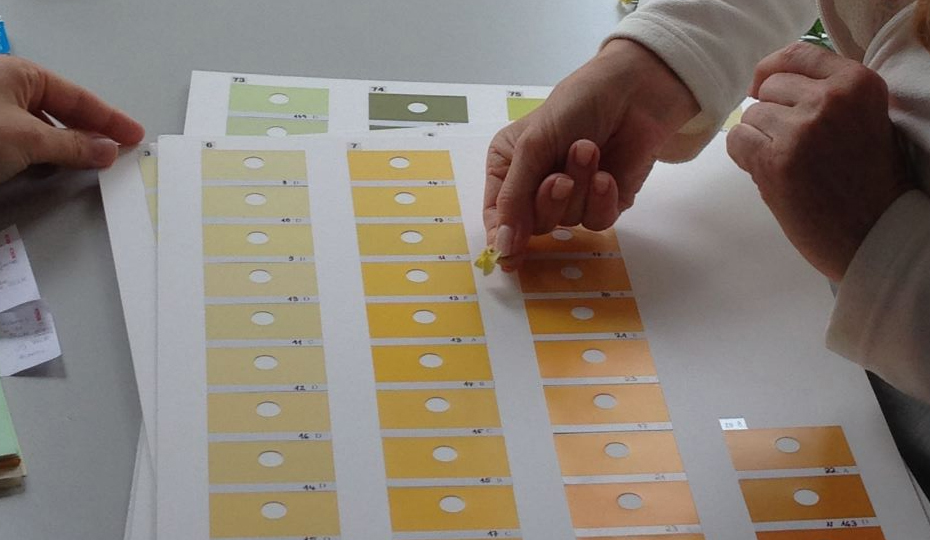
Documentos TGP
Directrices de ensayo: Procedimientos para el examen de la distinción, la homogeneidad y la estabilidad (DUS)
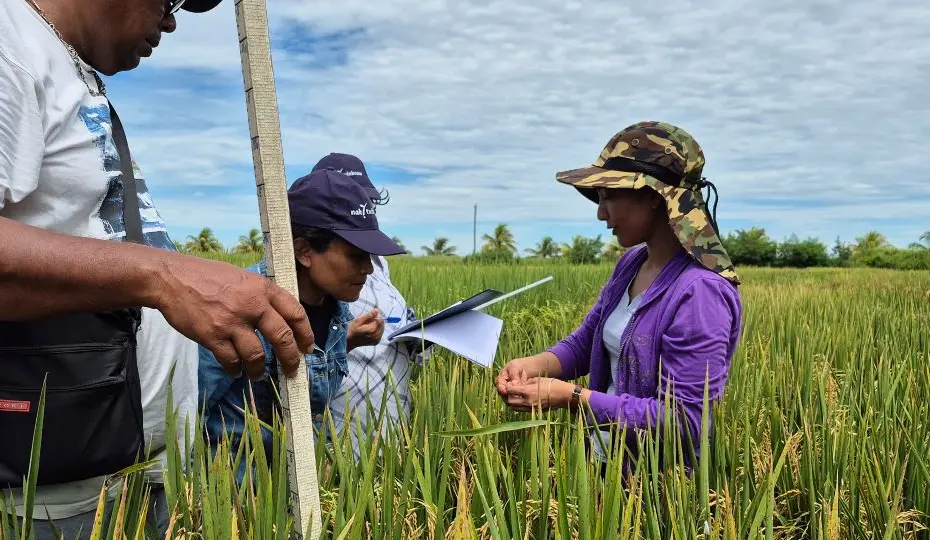
Directrices de examen
Orientaciones detalladas para el examen armonizado de la distinción, la homogeneidad y la estabilidad (DUS) de las nuevas variedades vegetales
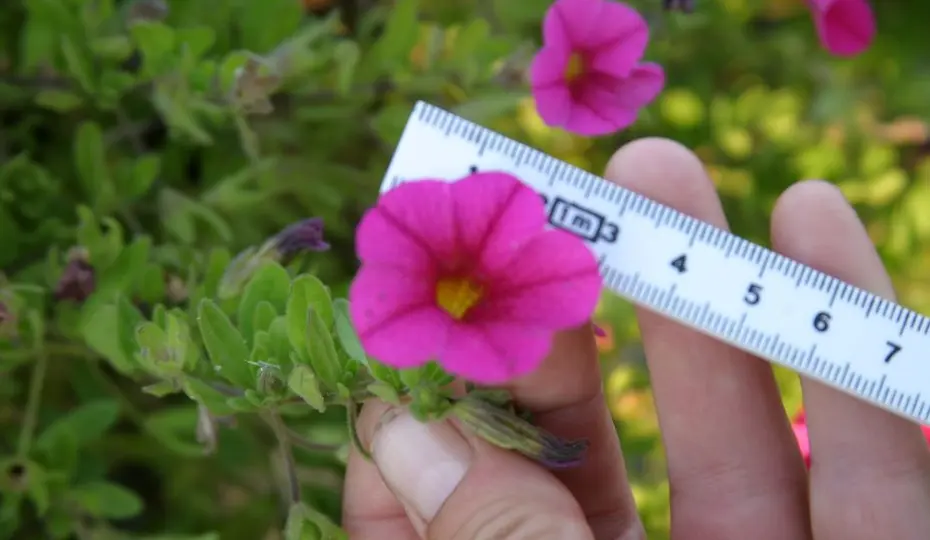
Plantilla TG
Herramienta en línea de la UPOV para la redacción de Directrices de ensayo para el examen de variedades vegetales de conformidad con el Convenio de la UPOV
Webinars
Environmental effect in expression of characteristics
Completeness and relevance of variety collections
Phytosanitary issues that prevent or delay submission of plant material
Technical webinars on plant variety examination
Cooperation in DUS Examination
China - Ms. LIU Yanfang, Deputy Director General Professor, Kunming Sub-Center for New Plant Variety Tests, Ministry of Agriculture and Rural Affairs.
Impact of Environmental Variation on Color Trait Expression and Its Challenge to DUS Testing
China - Mr. WANG Yufeng, Ph. D., Xinzhou Sub-Center for New Plant Variety Tests, Ministry of Agriculture and Rural Affairs
Evaluation of Spatio-temporal Consistency in Maize DUS Traits
Japan - Mr. Yoshiyuki Ohno, Senior Examiner, Plant Variety Protection Office, Intellectual Property Division, Export and International Affairs Bureau, MAFF
Environmental effect in expression of characteristics in DUS examinations
Netherlands (Kingdom of the) - Mr. Wim Sangster, Crop Specialist, Naktuinbouw
Environmental effect in expression of characteristics in DUS examinations
New Zealand - Mr. Scott Gregan, Senior PVP Examiner, Plant Variety Rights Office Intellectual Property Office of New Zealand
Environmental effect in expression of characteristics in DUS examinations
Germany - Ms. Swenja Tams, Head of Section, General affairs of DUS testing, Bundessortenamt
Conditions for the use of DUS results from other UPOV members
Netherlands (Kingdom of the) - Mr. Marco Hoffman, Senior Policy Officer, Naktuinbouw
Completeness and relevance of Variety collections in DUS examination
Japan - Mr. Yoshiyuki Ohno, Senior Examiner, Plant Variety Protection Office, Intellectual Property Division, MAFF
Phytosanitary matters that prevent or delay submission of plant material
New Zealand - Ms. Cecilia Requejo-Jackman, Senior PVR Examiner, Plant Variety Rights Office Intellectual Property Office of New Zealand
Phytosanitary matters that impact access to plant material for DUS examination in NZ
United Kingdom - Mr. Peter Scotting, PVS Manager for Plant Breeders Rights and Variety Listing, Animal and Plant Health Agency (APHA)
Phytosanitary matters that prevent or delay submission of plant material for DUS examination
Guidance on Certain Physiological Characteristics
in DUS
Trial Design and Techniques Used in DUS Examination

Crop‑Specific DUS Case Studies