La mise au point de nouvelles variétés végétales constitue le cœur du travail des obtenteurs ; elle leur permet de répondre à la demande croissante des agriculteurs et des consommateurs en matière de variétés améliorées, tout en s’adaptant aux changements climatiques. Grâce à une sélection végétale et à une recherche innovantes, les obtenteurs mettent au point des variétés améliorées qui offrent des rendements plus élevés, une meilleure résistance aux ravageurs et aux maladies, ainsi qu’une plus grande capacité d’adaptation aux défis environnementaux.
Ces avancées soutiennent non seulement l’agriculture durable, mais contribuent également à la sécurité alimentaire mondiale, à la nutrition et à la croissance économique.
Foire aux questions
Pour obtenir la protection de variétés, l’obtenteur doit déposer une demande pour chacune d’elles auprès des services des membres de l’UPOV chargés d’octroyer des droits d’obtenteur.
L’UPOV a développé UPOV PRISMA, un outil en ligne qui aide les déposants à déposer des demandes de droit d’obtenteur auprès de tous les services de protection des obtentions végétales participants, depuis le site de l'UPOV.
S’il est vrai que la Convention UPOV exige des membres de l’Union que ceux-ci prévoient les recours légaux appropriés permettant de faire appliquer efficacement les droits d’obtenteur, il n’en reste pas moins que c’est aux obtenteurs qu’il incombe de veiller au respect de leurs droits.
Oui. La définition de la “variété” figurant à l’article 1.vi) de l’Acte de 1991 de la Convention UPOV précise qu’on entend par “variété” un ensemble végétal d’un taxon botanique du rang le plus bas connu qui, qu’il réponde ou non pleinement aux conditions pour l’octroi d’un droit d’obtenteur, peut être “défini par l’expression des caractères résultant d’un certain génotype ou d’une certaine combinaison de génotypes […]”. La notion de “combinaison de génotypes” couvre, par exemple, les variétés synthétiques et les variétés hybrides.

IMAGE: LOREM IPSUM
La couleur sous le microscope : TWO 58 aborde les nouveaux outils d'évaluation des variétés ornementales

Les nouvelles variétés végétales protégées stimulent le développement industriel dans le nord-ouest de la Chine
Les nouvelles variétés végétales protégées stimulent le développement industriel dans le nord-ouest de la Chine
Histoires
Image: WeimingDong/GettyImages
Image: Courtesy of Roland Joannin
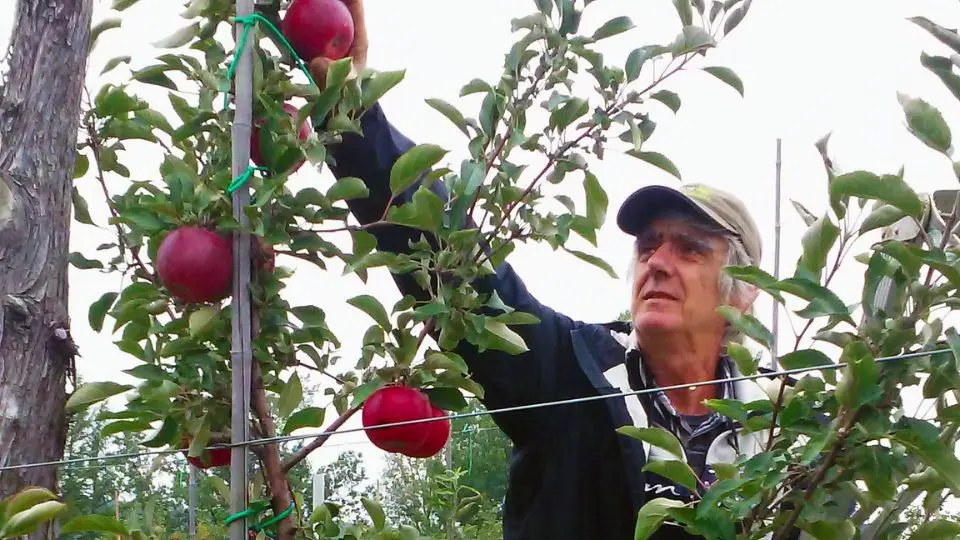
Image: Courtesy of Stig Oddershede


Dernières actualités
Image: Balwan/Getty Images
Vidéos

One New Variety, One New Beginning: Fanny's Story From the Dominican Countryside
Fanny grew up in the Dominican countryside among banana harvests and plantain rows. When table grape cultivation arrived in her community, it opened the door to higher income, new expertise, and a pride she had never expected — proof that access to a single protected plant variety can quietly change everything for a farming community.

Reino's Story: Small-Scale Farming and the Transition to Table Grapes in the Dominican Republic
After 18 years in agriculture, Dominican farmer Reino chose to transition from banana farming to table grapes — a shift that demanded new skills, new knowledge, and access to improved plant varieties. His story shows how plant variety protection enables not just innovation, but inclusion, resilience, and gradual transformation for small-scale farming communities.

Diversifying Dominican Agriculture Through Plant Variety Protection and New Table Grape Varieties
The Dominican Republic was not traditionally a grape-growing nation — but access to protected varieties through the UPOV system changed that. Discover how improved genetics, agricultural diversification, and plant variety protection combined to unlock an entirely new crop, new markets, and new economic opportunity for Dominican growers.

Dominican Republic Table Grape Family Success Story
What began at a family table in the Dominican Republic became the country's first table grape export to the United States. Driven by the Almonte family's vision, new protected grape varieties adapted to local conditions, and a shared commitment to innovation, this is the story of how agricultural ambition creates markets, livelihoods, and lasting change.