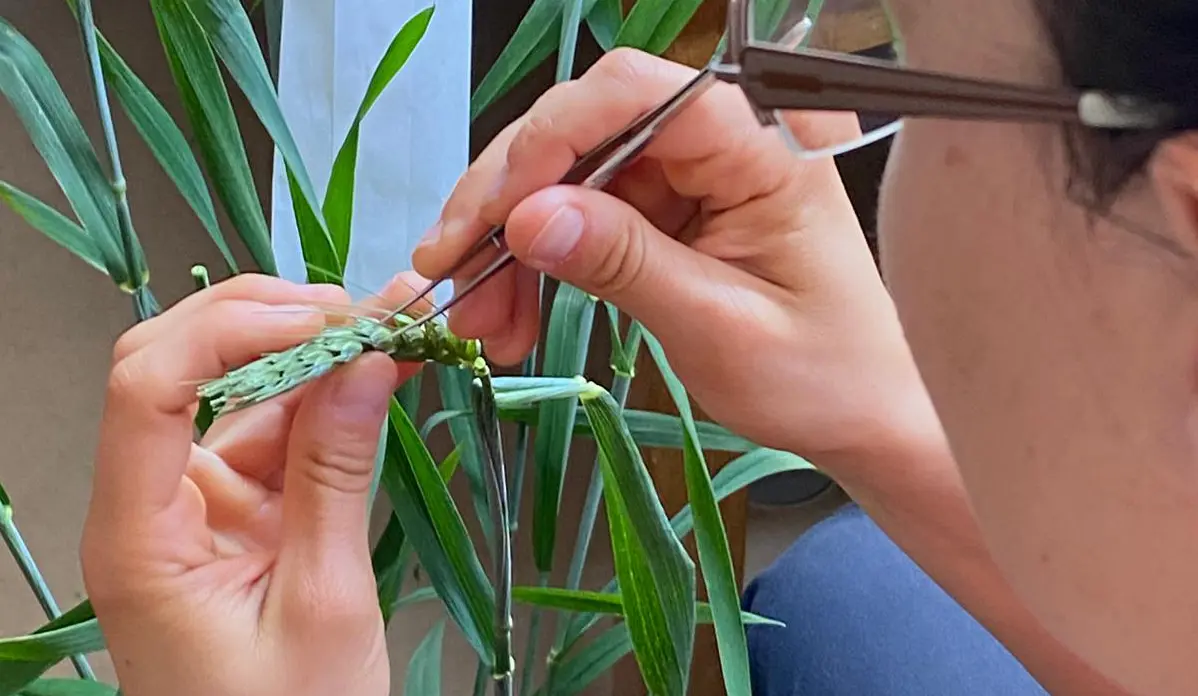
Examining Distinctness, Uniformity and Stability
- distinct (D) from any other variety whose existence is a matter of common knowledge, in any country, at the time of the filing of the application
- sufficiently uniform (U) and stable (S), or “DUS” in short.
- sets out the principles and international standards to ensure that DUS examination is conducted in a harmonized way throughout UPOV members
- establishes the basis to facilitate cooperation among UPOV members
- helps to provide effective protection through the development of harmonized, internationally recognized descriptions of protected varieties.
Explore the UPOV Convention
- UPOV Conventions
- Guidance for the Preparation of Laws Based on the 1991 Act of the UPOV Convention (UPOV/INF/6)
Guidance and resources
IMAGE: UPOV/TAVEIRA
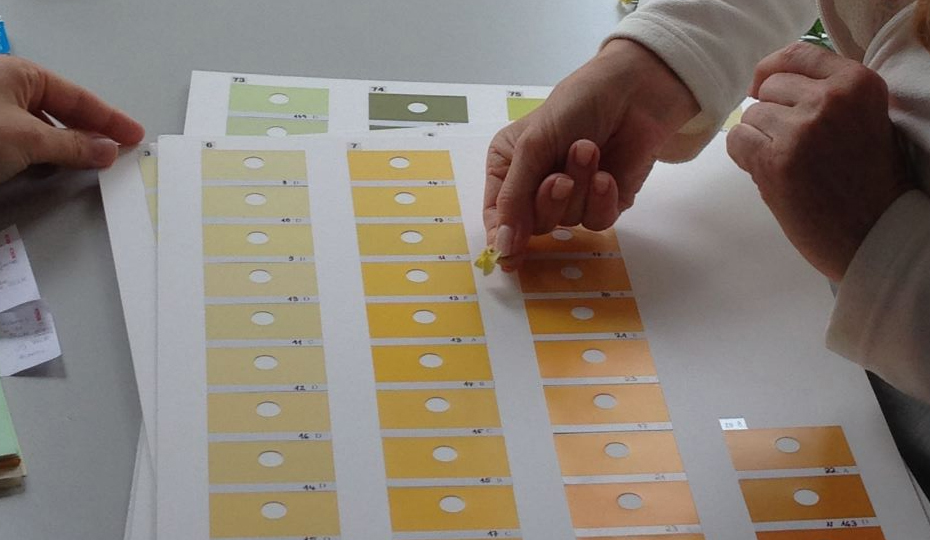
TGP documents
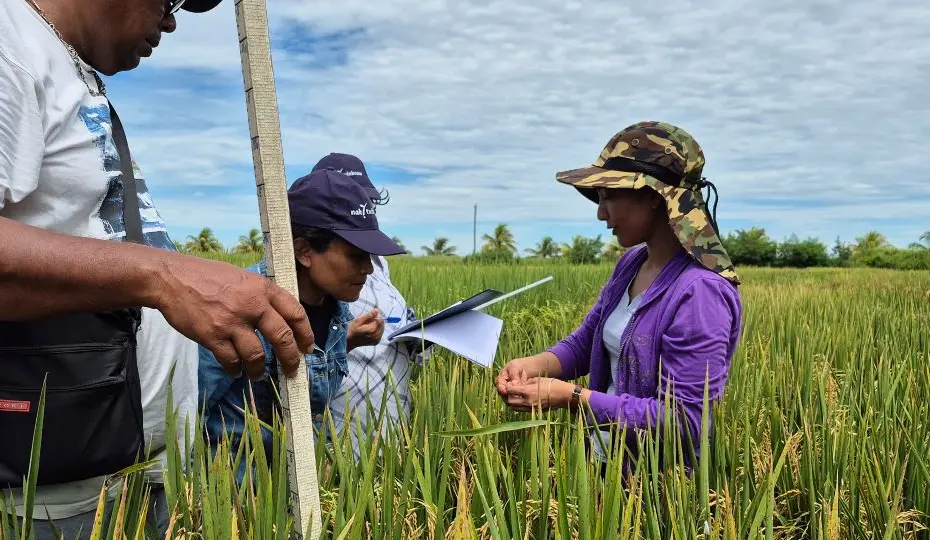
Test Guidelines
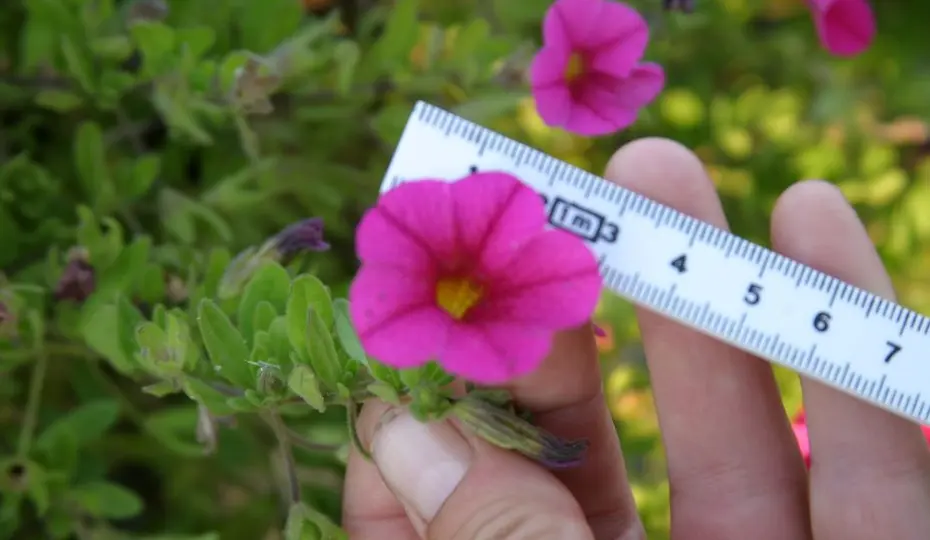
TG template
Webinars
Environmental effect in expression of characteristics
Completeness and relevance of variety collections
Phytosanitary issues that prevent or delay submission of plant material
Technical webinars on plant variety examination
Cooperation in DUS Examination
China - Ms. LIU Yanfang, Deputy Director General Professor, Kunming Sub-Center for New Plant Variety Tests, Ministry of Agriculture and Rural Affairs.
Impact of Environmental Variation on Color Trait Expression and Its Challenge to DUS Testing
China - Mr. WANG Yufeng, Ph. D., Xinzhou Sub-Center for New Plant Variety Tests, Ministry of Agriculture and Rural Affairs
Evaluation of Spatio-temporal Consistency in Maize DUS Traits
Japan - Mr. Yoshiyuki Ohno, Senior Examiner, Plant Variety Protection Office, Intellectual Property Division, Export and International Affairs Bureau, MAFF
Environmental effect in expression of characteristics in DUS examinations
Netherlands (Kingdom of the) - Mr. Wim Sangster, Crop Specialist, Naktuinbouw
Environmental effect in expression of characteristics in DUS examinations
New Zealand - Mr. Scott Gregan, Senior PVP Examiner, Plant Variety Rights Office Intellectual Property Office of New Zealand
Environmental effect in expression of characteristics in DUS examinations
Germany - Ms. Swenja Tams, Head of Section, General affairs of DUS testing, Bundessortenamt
Conditions for the use of DUS results from other UPOV members
Netherlands (Kingdom of the) - Mr. Marco Hoffman, Senior Policy Officer, Naktuinbouw
Completeness and relevance of Variety collections in DUS examination
Japan - Mr. Yoshiyuki Ohno, Senior Examiner, Plant Variety Protection Office, Intellectual Property Division, MAFF
Phytosanitary matters that prevent or delay submission of plant material
New Zealand - Ms. Cecilia Requejo-Jackman, Senior PVR Examiner, Plant Variety Rights Office Intellectual Property Office of New Zealand
Phytosanitary matters that impact access to plant material for DUS examination in NZ
United Kingdom - Mr. Peter Scotting, PVS Manager for Plant Breeders Rights and Variety Listing, Animal and Plant Health Agency (APHA)
Phytosanitary matters that prevent or delay submission of plant material for DUS examination
Guidance on Certain Physiological Characteristics
in DUS
Trial Design and Techniques Used in DUS Examination

Crop‑Specific DUS Case Studies