
When the world tunes in to watch a football match, a tennis final, or a round of golf, attention naturally goes to the players. But beneath every stride, every tackle, every perfectly struck ball is something less visible, and just as carefully engineered: the grass.
This year, World IP Day carries the theme "IP and Sports: Ready, Set, Innovate!” a recognition of how intellectual property drives creativity and innovation across the global sports ecosystem. For UPOV, that theme lands closer to home than many might expect. Plant variety protection is the IP system that makes investment in new plant varieties possible, and sports turf is one of its most vivid, if underappreciated, applications.
From football pitches to golf courses to the grass courts of Wimbledon, the choice of variety is a rigorous science, with factors like wear tolerance, recovery rate, and climate suitability all in play. Behind the scenes of every major sporting event, there is a breeder who spent years - sometimes decades - developing the variety that makes it possible.
According to the UPOV PLUTO database, nearly 7,000 varieties that can be used as turfgrass are currently protected across UPOV members, covering football pitches, cricket grounds, golf courses, and multi-use sports surfaces around the world. Behind each one is a breeder who made a long-term bet on innovation.
Our guest is Crystal Rose-Fricker, an award-winning plant breeder with over 40 years of experience developing turfgrass varieties for some of the world's most demanding environments. Over the course of her career, she has developed almost 400 varieties: grasses bred to withstand drought, disease, heavy traffic, and the unforgiving scrutiny of elite sport.
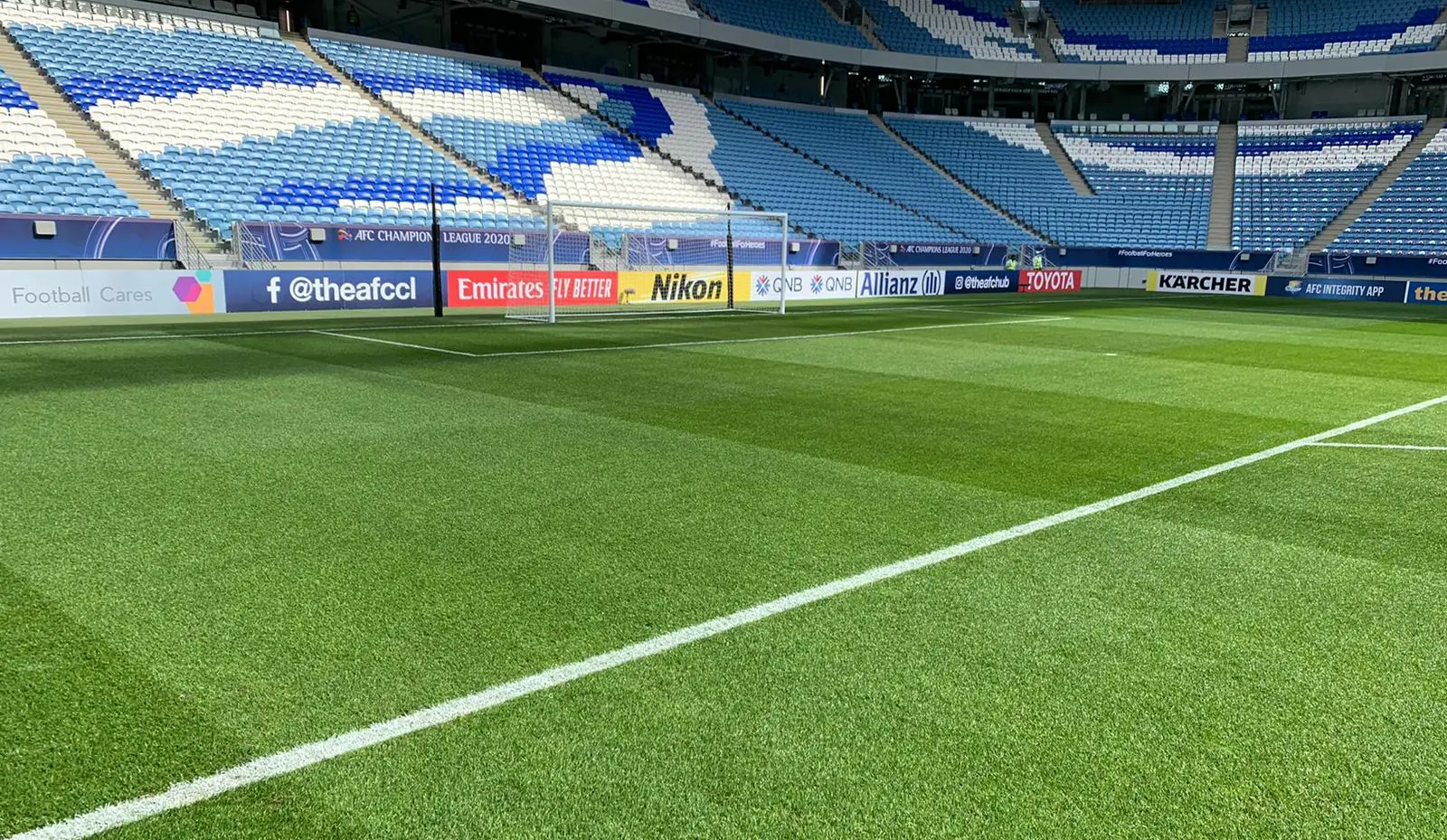
Her varieties have featured at some of the most watched sporting events on the planet, including the 2022 FIFA World Cup in Qatar and the 2023 Ryder Cup at Marco Simone Golf and Country Club in Rome.
Named one of the six most influential women in golf by Sports Illustrated, she brings to this conversation a rare combination of scientific rigor, practical experience, and the conviction that plant variety protection is what makes this level of innovation possible.
When billions of people watch the World Cup final this July, they will be watching players on grass that has been the subject of years of scientific work. Can you give us a sense of what it actually takes to breed a turfgrass variety fit for a major international tournament?
Ms. Fricker: Developing a turfgrass variety for global sports field use requires at least ten years of research, crossbreeding, and testing across multiple locations. For the World Cup in Qatar, we began testing our varieties eight years ahead of the event at various sites to ensure they would perform well in that environment. That process involved regional trials with distributors, sod growers, and universities, evaluating performance across a range of conditions, from shade and traffic tolerance to how the grass would hold up under the intensity of tournament play.
What does plant variety protection mean in practice for a turfgrass breeder and why does it matter that this form of IP exists?
Ms. Fricker: Plant variety protection is a legal method for safeguarding breeders' rights, acknowledging those who invest years and often significant funds to develop new varieties. When applying for plant variety protection on a new variety, all morphological data must be submitted within the first year of selling the seed. A thorough study is then conducted, comparing the new variety with standard and existing varieties to ensure it is truly distinct from others available in the market. This process helps protect breeders from imitation varieties or those that are simply renamed.
Football is the obvious example this year, but turfgrass innovation runs through sport more broadly: golf, tennis, rugby, athletics. Are there varieties or breeding breakthroughs that have genuinely changed how a sport is played or experienced?
Ms. Fricker: We offer several new turfgrass species making a real impact, such as seashore paspalum. One of our products, Pure Dynasty, performs exceptionally well in extremely hot climates, endures heavy foot traffic on sports turf, and can withstand poor-quality water and soils, it is truly changing the game in warm climate areas. Additionally, we have developed varieties with improved shade tolerance and increased resilience to traffic, making them suitable for stadium environments where lower light levels are common.
Without plant variety protection, would the level of investment we see in professional sports turf research be possible? What happens in markets or contexts where that protection is weak or absent?
Ms. Fricker: No, because developing new varieties is extremely expensive, often costing millions of dollars, and many still may not meet expectations—so 90% are discarded. In markets without protection, products may be sold as "Variety Not Stated" (VNS), which means there are no guarantees regarding performance or genetics, since names are removed or not provided. This situation arises when there is no intellectual property protection.
International plant breeders' rights allow you to protect your variety in several countries. You may also apply for protection in each country individually. Although this process is time consuming and costly, it is worthwhile for safeguarding genetics.
Turfgrass breeding is not the most visible corner of the plant IP world. What would you want the public or a football fan watching the World Cup to understand about what breeders contribute to the sports they love?
Ms. Fricker: Plant breeders spend years developing new varieties with traits beneficial to athletes and sports turf managers, such as shade tolerance, disease resistance, quick establishment, traffic tolerance and recovery, as well as drought and poor water quality tolerance. Most people are unaware that these attributes are carefully evaluated and bred into grasses used worldwide.

Climate change is already affecting playing surfaces — droughts, heat stress, waterlogging. How is the turfgrass breeding community responding, and how does IP protection factor into funding that?
Ms. Fricker: Plant breeders are working tirelessly to develop grasses that use less water and still maintain acceptable green color and growth. Heat stress tolerance is also being introduced into certain species so they can better withstand high humidity and extreme temperatures during summer or periods of heavy traffic stress. Intellectual property rights encourage these environmental advances by supporting investment in new varieties.
If you could point to one variety, one breakthrough, or one moment that captures what plant variety protection has made possible in sports turf, what would it be?
Ms. Fricker: I believe plant variety protection is valuable because it marked the start of Pure-Seed Testing and the foundation of our family's research company. When the PvP Act was enacted in the early 1970s in the USA, my father founded Pure-Seed Testing to develop cool season, and later warm season, varieties for professional and retail markets worldwide. Over the past 50 years, we have invested millions of dollars to create varieties that have an impact in places like Qatar, Japan, Europe, the World Cup, the Ryder Cup, and other renowned venues across the globe.
This conversation is the first of two stories published by UPOV in connection with World IP Day 2026 - “IP and Sports: Ready, Set, Innovate!" The stories will explore how plant variety protection quietly shapes the sporting world, one new variety at a time. Our World IP Day 2026 carousel shows how plant variety protection turns up in the grass, the merchandise, and the food at every major sporting event. Download the cards.